Data Gravity: Why Data Locality Becomes An Operating Decision
Data location shapes AI, automation, vendor lock-in, and operating control. Learn how SMEs and startups can map data flows and build a data-local Digital Headquarters.
Contents
Data location shapes AI, automation, vendor lock-in, and operating control. Learn how SMEs and startups can map data flows and build a data-local Digital Headquarters.
Share this article
The AI Pilot That Stops At One Question: Where Does The Data Live?
It is a common scene for lean startups and SMEs: leadership wants to introduce AI-assisted inquiry triage or automated proposal drafting. The business outcome is clear — faster response times, consistent proposals, less manual coordination. But realizing that outcome without accumulating compliance debt or vendor lock-in requires one prerequisite: knowing where the data lives, who owns it, and under which legal regime it is processed. GDPR-by-design means data residency and processing boundaries are decided at the architecture stage, not retrofitted after an audit.
Then the real blocker appears. No one can explain which source is authoritative, which systems process customer data, which exports still live in shared folders, and where the operational boundaries are.
At that point, data locality becomes an operating decision, not an infrastructure footnote. According to Eurostat's 2025 survey on ICT usage in enterprises, AI adoption reached 20.0% of EU enterprises with 10 or more employees in 2025, with text analysis and text generation among the common use cases. Paid cloud services are also mainstream across EU businesses. This is no longer a topic reserved for enterprise architecture teams. It affects agencies, SaaS teams, professional services firms, technical founders, and operators who run customer work through cloud tools, automation, and AI.
If you automate without understanding your data gravity, you build on a fragile foundation. The first workflow may feel fast because someone copied context, gave a tool broad access, and reviewed the output manually. Once that workflow becomes operationally important, different questions matter: Which source is true? Who can change it? Where are intermediate results stored? How do we move the process if a vendor, policy, contract, or risk profile changes?
What Data Gravity Means For A Real Business
Data Pulls Workflows Toward It
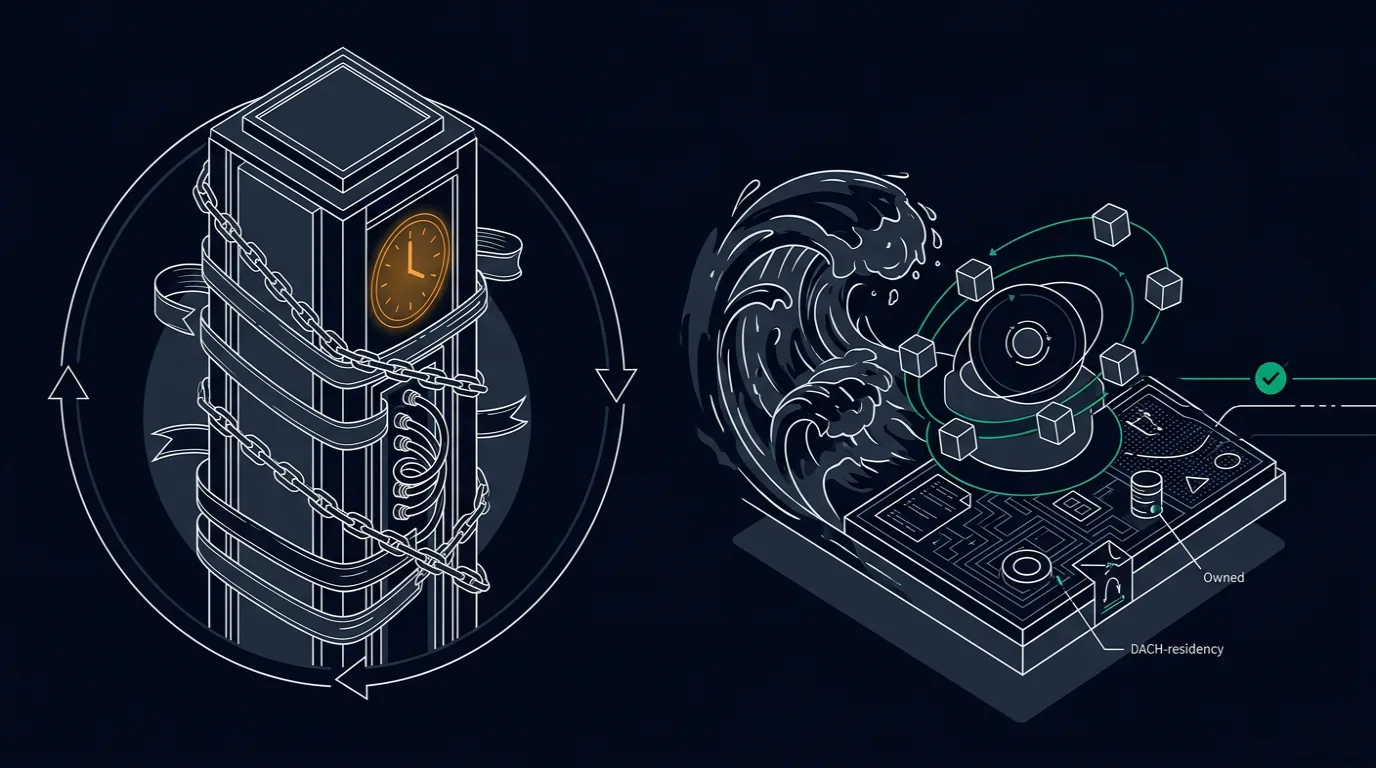
"Data Gravity" describes a practical pattern: large or critical datasets attract applications, services, compute, integrations, and team habits. Once customer history, project context, automation state, and reporting live in one place, more tools naturally collect around that core. The "mass" is not just about storage volume. It is about operational authority and the cost of moving away.
For a lean team, that authority is concrete. The CRM may know the sales stage, but the shared inbox has the newest customer language. The project tool knows tasks, but proposal logic lives in old documents. The AI assistant can draft a response only when someone copies the right context into it. Tools start to orbit the places where context is easiest to reach, even if those places are not the right long-term source of truth.
Locality Is About Control, Not Isolation
The goal is not to reject managed SaaS or cloud convenience. The goal is knowing what belongs where. Which data requires stronger ownership? Which workloads can safely run on managed platforms? Which information can support AI, and which needs legal, security, or operational review before it enters an automated workflow?
Sovereignty is the discipline of keeping visibility over data flows, access rights, processing locations, backups, exports, and logs. A simple label such as "EU hosted" or "self-hosted" is not enough by itself. Teams need to know who can access the data, which processors and sub-processors are involved, where administration happens, what the export path looks like, and who inside the company can approve changes.
The Cost Of Letting Data Drift Away
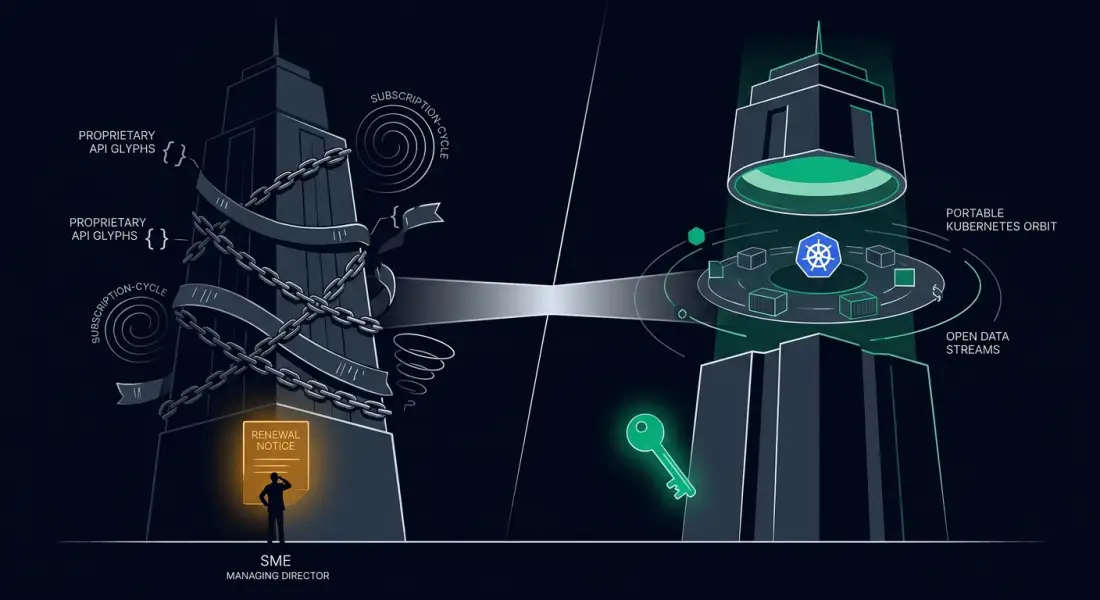
When data drifts into disconnected SaaS tools, AI pilots, export folders, and consultant-managed accounts, the immediate experience often feels productive. Teams move faster because they do not stop to define architecture. The cost arrives later, and it rarely appears as one clean line item. It shows up as investigation time, rework, duplicate subscriptions, blocked migrations, and weaker confidence in daily operations.
For startups and SMEs, this becomes an execution problem before it becomes a legal topic. A privacy review, vendor change, or AI rollout does not fail because people are careless. It fails because the company cannot explain its own data map fast enough.
Temporal Cost: Every Migration Starts Late Without A Map
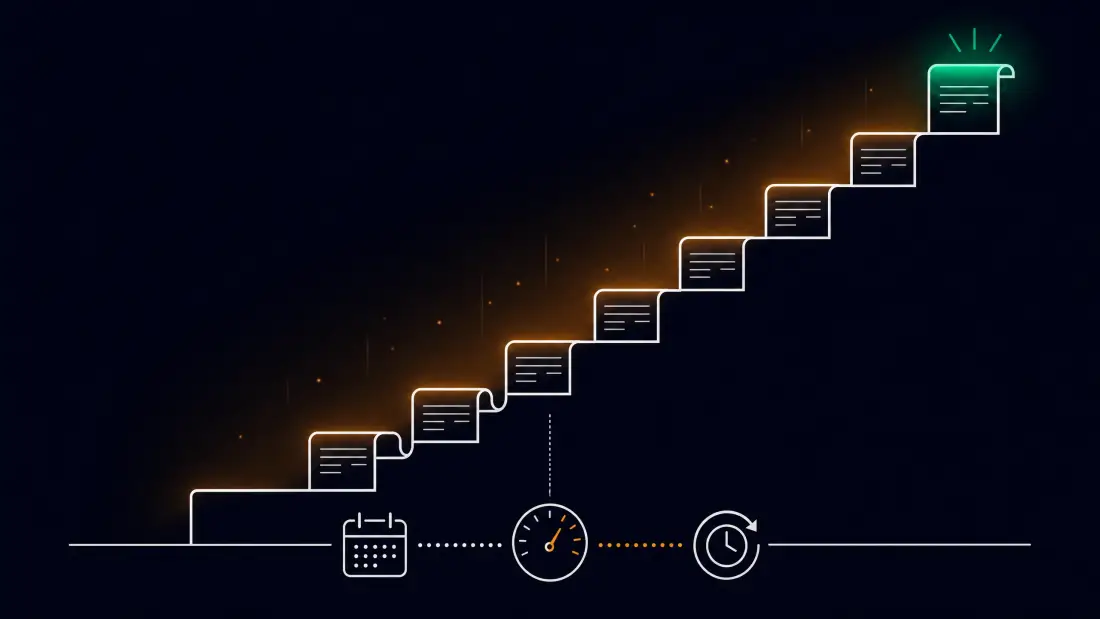
A normal change becomes an investigation. Which export contains the latest state? Which automation still reads the old field? Who created the API token? Which data must move before the destination system can become useful? Without a map, migrations, audits, incidents, and handovers begin with detective work.
The EU Data Act (Regulation (EU) 2023/2854), which entered into force in January 2024 and began applying in stages from September 2025, has made switching and portability more visible for data processing services. That policy signal matters, but it does not remove the operational work. Even when a contract or regulation supports portability, the customer still has to know which data, metadata, digital assets, dependencies, and destination systems matter for the business workflow.
Financial Cost: Convenience Becomes A Recurring Dependency
Weak data locality creates a complexity tax. Tools stay active because no one knows what depends on them. Consultants spend the first part of every improvement project reconstructing the system. Teams pay for overlapping functions because no source has been made authoritative. Automation projects wait because the data foundation is not stable enough.
The cost is less visible than subscription spend, which makes it persistent. A company can use a CRM, shared drive, project tool, analytics account, cloud platform, n8n automations, and AI assistant while still being unable to answer one basic question: Which system is authoritative for this customer workflow?
Trust Cost: Customers Feel The Confusion
Customers do not see your architecture diagram, but they feel the friction. If sales has different information than support, if AI uses an outdated service description, or if a proposal template reflects old assumptions, confidence drops. Operational sovereignty is not just an internal architecture concern. It is the foundation for consistent communication.
For personal data, documentation adds another layer. GDPR Article 30 requires controllers and processors to maintain records of processing activities covering categories, purposes, recipients, transfer paths, safeguards, retention logic, and technical measures. Organizations with fewer than 250 employees are exempt unless processing is risky, non-occasional, or involves special categories of data. This article is not legal advice. The operational point is simpler: a clear data map makes expert review possible; it does not replace it.
The Data-Local Operating Model
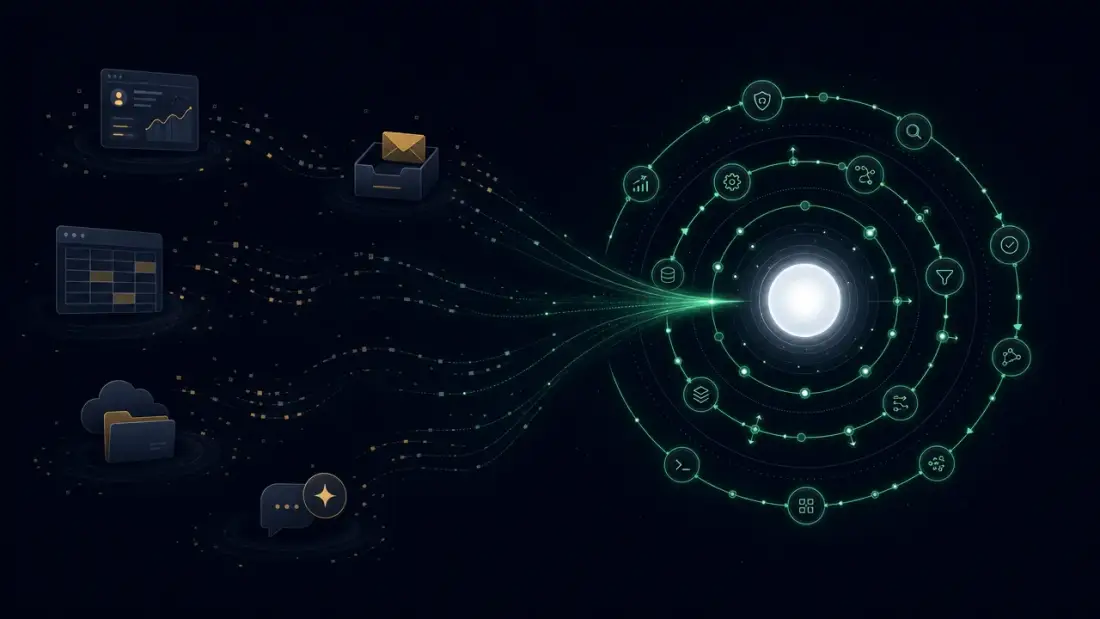
A resilient model connects business criticality with technical control. It ensures that important data is processed in approved zones and that an exit key exists before the workflow becomes difficult to move. The goal is not to force all data into one system. The goal is to name the gravity centers and design the workflow around them deliberately.
The visual below shows the model: a business-critical data core connected to approved processing zones, AI and automation workflows, human approval, logs, backups, and export paths. The point is controlled connection, not isolation.
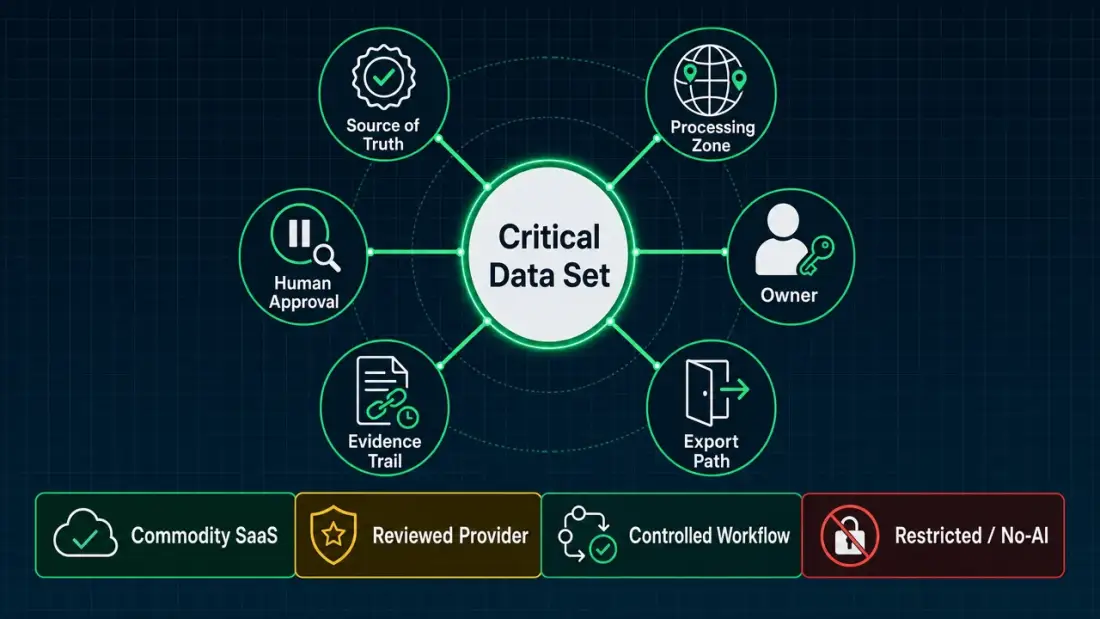
The Seven Fields Every Critical Workflow Needs
A practical model starts with a small set of fields. They are lighter than a full enterprise governance program, but precise enough for operating decisions.
| Field | Question | Why it matters |
|---|---|---|
| Critical Data Set | What data makes the workflow work? | Focuses your sovereignty and security work on business-critical context. |
| Source of Truth | Which system is authoritative? | Reduces duplicate state and conflicting answers. |
| Processing Zone | Where are storage, backup, AI, and administration located? | Supports risk review, vendor review, and recovery planning. |
| Owner | Who approves changes, exports, retention, and access? | Creates accountability when the workflow changes or fails. |
| Human Approval | Where does a person review consequential or customer-facing output? | Keeps AI as support, not an uncontrolled decision path. |
| Export Path | How can the workflow move if a vendor changes? | Reduces vendor lock-in and emergency migration work. |
| Evidence Trail | Which logs and approvals remain? | Makes AI-assisted activity inspectable. |
Processing Zones
Not every dataset needs the same level of control. A newsletter tool is different from a proposal workflow that combines customer data, capacity notes, pricing logic, and internal know-how. In practice, we separate four zones:
- Commodity SaaS: low-sensitivity tools with clear export options.
- Reviewed Provider: customer data where region, sub-processors, and access paths are vetted.
- Controlled Workflow: owned or tightly governed systems for core knowledge, automation, and decision logic.
- Restricted/No-AI: sensitive data that is not approved for AI models or external processing.
This classification is not a legal green light. It is an operating discipline. It stops each new tool from reopening the same vague conversation, and it makes clear which data should never be copied into an assistant just because it is convenient.
From Scattered Data To A Digital Headquarters
A typical scenario: a 14-person engineering consultancy. Lukas, the Managing Director, wants AI-assisted inquiry triage and faster proposal preparation. Mira, the Operations Lead, manages project delivery and tracks active work in the project tool. Theo, the Account Manager, owns CRM records and handles all client communication. The team uses a website, shared inbox, CRM, proposal templates, project folders, accounting exports, n8n automations, and an AI assistant.
In the old model, each tool holds a slice of context. The website knows the inquiry, the inbox knows the customer's wording, the CRM knows the stage, old documents hold proposal language, and the automation moves data without a full state map.
Lukas wants AI-assisted inquiry triage and faster proposal preparation. The demo works because Mira manually gathers context from four sources. Production is different. Theo cannot verify which CRM record is current. The data paths are unclear, sources are not classified, approvals are improvised, and logs are incomplete. The solution is not to migrate everything at once. The first step is one governed workflow with Mira as the named owner.
Before: Data Follows Tool Convenience
Before, decisions follow habit. The CRM stays partly current because the inbox is faster. Theo's proposals contain snippets from old files because they are easy to reuse. The AI Lukas wants to use gets context through copy and paste because no approved knowledge source exists. Backups exist for some systems, but no one has tested the recovery order for the full workflow.
This state is common. It happens when companies grow faster than their operating architecture. The tools work, but the company does not own a shared view of the process.
After: Data Locality Follows Business Criticality
After, each inquiry enters an approved queue. The source is visible, Mira is the named owner, the processing zone is defined, and AI can summarize only from sources she has cleared. Customer-facing output requires Theo's review before sending. Logs capture source record, automation step, approval, and handoff. Lukas can now approve data class changes with confidence because the system state is readable. Export paths are documented before the workflow becomes business-critical.
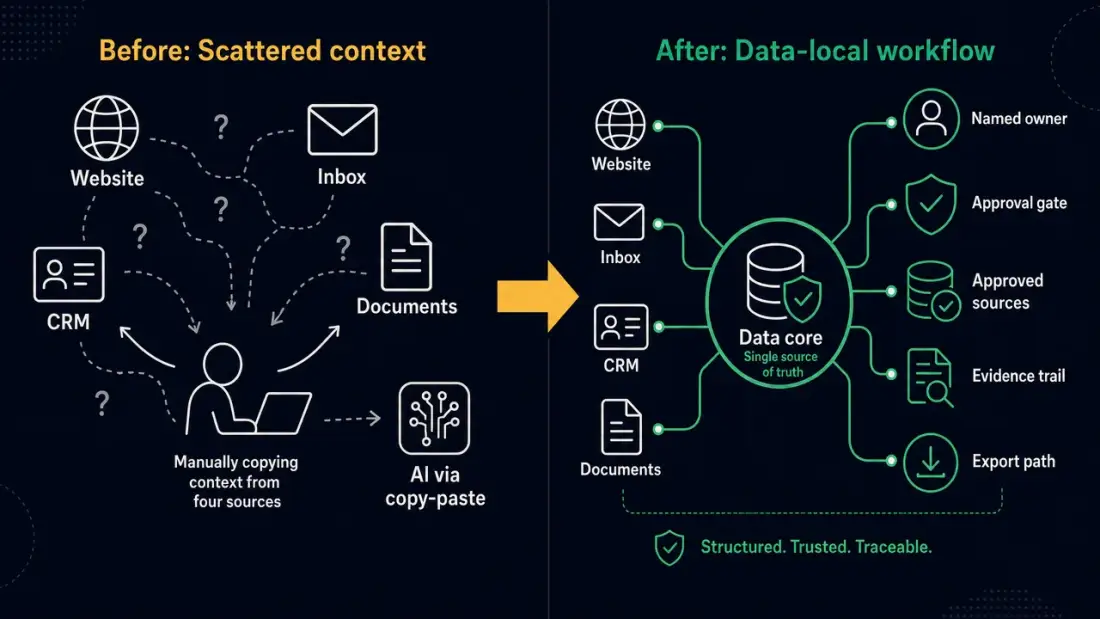
That is the Digital Headquarters pattern: not one giant data vault, but an operating layer that connects knowledge, workflows, systems, roles, logs, and ownership. Work becomes faster because context is easier to trust, and future change becomes less painful because the exit path is visible.
How Planfold Turns The Map Into A Digital Machine
Planfold treats data locality as part of the operating system, not as a separate compliance exercise. Lean teams want managed convenience, but they also need to know where business knowledge lives, who can touch it, and how the workflow can move if the company changes direction.
Plan: Find The Gravity Centers
We map systems, data classes, providers, regions, owners, exports, and failure modes. The output is not documentation for its own sake. It is prioritization. Which data drives revenue, customer trust, or operational continuity? Where is managed convenience enough? Where does the business need stronger ownership?
This creates the first data-flow map. It answers the questions that are otherwise asked during an incident: Which source is true? Which role can change it? Where are backups? Which processing is approved for AI? Which data must stay out of external assistants?
Unfold: Build The First Controlled Workflow
We implement a bounded workflow, such as AI-assisted inquiry preparation. Data comes from approved sources, automations run through documented paths, and customer-facing output has human approval. n8n, Git, APIs, backups, and logs are not decorative technical details. They form the digital machine that makes the process reliable.
Unfold also means not rebuilding everything at once. One well-governed workflow with an owner, approval, log, and export path creates more sovereignty than ten loose tool optimizations.
Resonate: Scale Without Losing The Exit Key
You operate with a care-free package while keeping the exit key. Planfold maintains operations, documentation, and system health so the architecture remains understandable. When a vendor, team, risk, or business model changes, the company does not start from zero. It owns the map, the logic, and the way out.
The Practical Starting Point
Do not start with a platform decision. Start with one workflow that matters: inquiry, proposal, booking, invoice, support case, project handoff, or automated follow-up. Write down which dataset drives it, which source is authoritative, where processing happens, who approves changes, and what an export would need to include.
If you cannot answer these questions for your most important workflow, that is not a personal failure. It is a sign that your digital machine has grown faster than its operating map.
A One-Hour Diagnostic
Take one real customer case and follow it from start to finish: intake, qualification, proposal, approval, storage, handoff, and evidence. For each step, write down the system, owner, data class, automation, log, and export path. Wherever you have to guess, you have found the next risk.
The exercise rarely takes more than an hour. It shows whether data locality in your company is a deliberate operating decision or just the accidental result of historical tool choices.
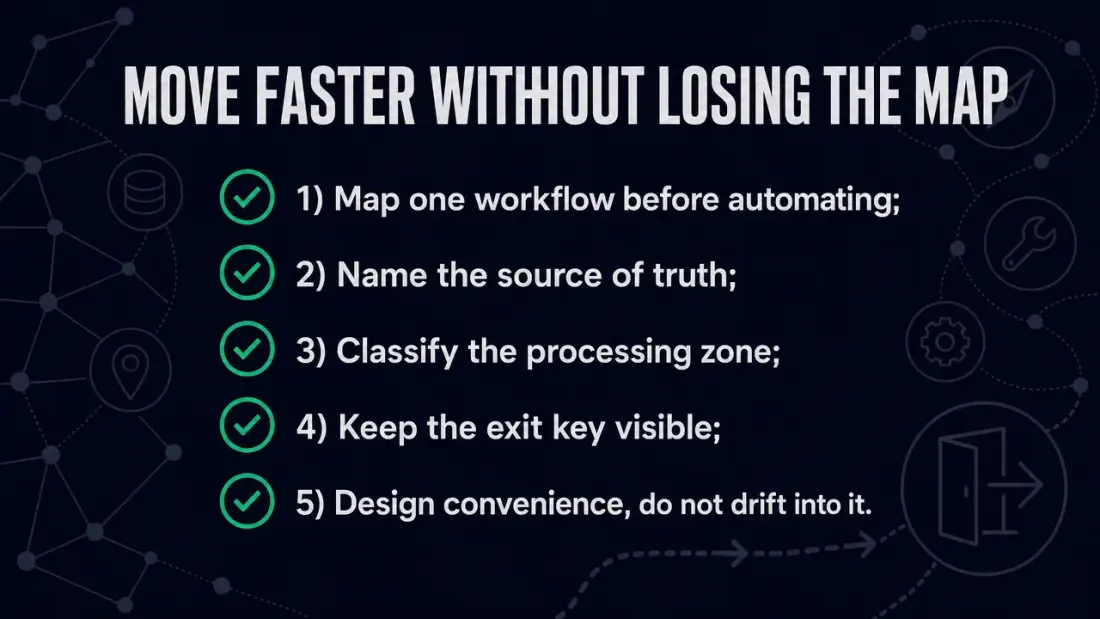
The Real Outcome: Move Faster Without Losing The Map
Data gravity is not a reason to slow innovation down. It is the reason to build innovation cleanly. When you know what belongs where, which systems are authoritative, and which exits exist, AI and automation become more reliable instead of more fragile.
For lean teams, this is the practical meaning of digital sovereignty: managed execution without losing business logic to opaque tool chains. Convenience stays available. It is finally designed.
Note: This article is for informational purposes and does not replace legal or data protection advice. Professional review by your DPO is required for specific implementations.