The Sovereign Cloud: Escaping the Hotel California Cloud
Proprietary cloud features are a strategic trap. Learn how to build a portable architecture that ensures your business stays agile and your data stays sovereign.

Contents
Proprietary cloud features are a strategic trap. Learn how to build a portable architecture that ensures your business stays agile and your data stays sovereign.
Share this article
The "Hotel California" Cloud: When Exit Becomes an Existential Crisis
A startup founder receives an invoice. They decided to move their core database backups to a more cost-effective regional provider to optimize burn rate. The result? The "egress tax"—the fee charged by their hyperscale provider just to move their own data out—costs more than the entire first year of savings.
"You can check in any time you like, but you can never leave." The Eagles' 1977 classic has become the unofficial anthem of modern cloud infrastructure. Convenience often masks a strategic trap.
The data is clear: 94% of IT leaders expressed concern about vendor lock-in in 2026. Meanwhile, 88.8% believe that no single provider should control their entire stack. The average cost of a single cloud migration project is estimated at $315,000, making the "exit fee"—both technical and financial—a major deterrent to staying lean and agile.
At Planfold, we believe sovereignty is the ultimate competitive advantage. If you don't own your infrastructure, you don't fully own your business.
The Problem: The Mechanics of the Proprietary Trap
Vendor lock-in doesn't happen overnight. It starts with a handy serverless function here and a proprietary "fully managed" database there. But every line of code tied to vendor-specific APIs (like AWS SQS or Google Cloud Spanner) is a tether that limits your future moves.
For international startups and SaaS companies, this is no longer just a cost issue. It's a compliance and resilience issue. The "Sovereignty Trifecta"—the convergence of NIS2, DORA, and the EU Data Act—is shifting portability from a "nice-to-have" to a hard requirement.
As of September 12, 2025, the EU Data Act (Regulation 2023/2854) mandates that cloud providers remove technical and contractual obstacles to switching. For startups in critical supply chains, NIS2 now requires assessing the risk of "foreign government data access" (e.g., via the US CLOUD Act), making US-headquartered hyperscalers a potential liability if no exit strategy exists.
The Strategic Cost of Dependency
The Financial Trap: Egress Fees and Inelasticity
You found a cheaper provider, but the cost to move your data exceeds the savings. You are trapped in an inflationary pricing model you cannot escape. While major hyperscalers introduced "exit fee" waivers in 2024, these often require full account closure. The real relief comes on January 12, 2027, when the EU Data Act will impose a total ban on all switching charges.
Until then, the gap is massive: AWS internet egress can be ~2,200x higher than a sovereign provider like Hetzner for 25TB of traffic ($2,200 vs €5.00).
The Innovation Ceiling: Proprietary API Dependency
If your "Serverless" functions only work on one provider, moving means rewriting 40% of your codebase. Your "speed to market" has become a "barrier to exit." Using a vendor-specific database like DynamoDB creates a proprietary tether. In contrast, PostgreSQL is 60-80% cheaper for steady, high-throughput workloads and offers 100% portability across any cloud or on-premises environment.
Diagnostic: How Sovereign is Your Cloud?
Run the "Sovereignty Audit" on your stack:
- The 30-Day Move Test: Could you move your entire operation to a different provider in 30 days? (The EU Data Act mandated 30-day switching windows as of Sept 2025).
- The Dependency Audit: Are you using more than three proprietary (non-open source) cloud services (e.g., Lambda, Spanner, Kinesis)?
- The Exit Strategy Audit: Do you have a documented and tested "Cloud Exit Strategy" as required by DORA (Art. 28) and NIS2 (Art. 21)?

Architecture for the Sovereign Cloud
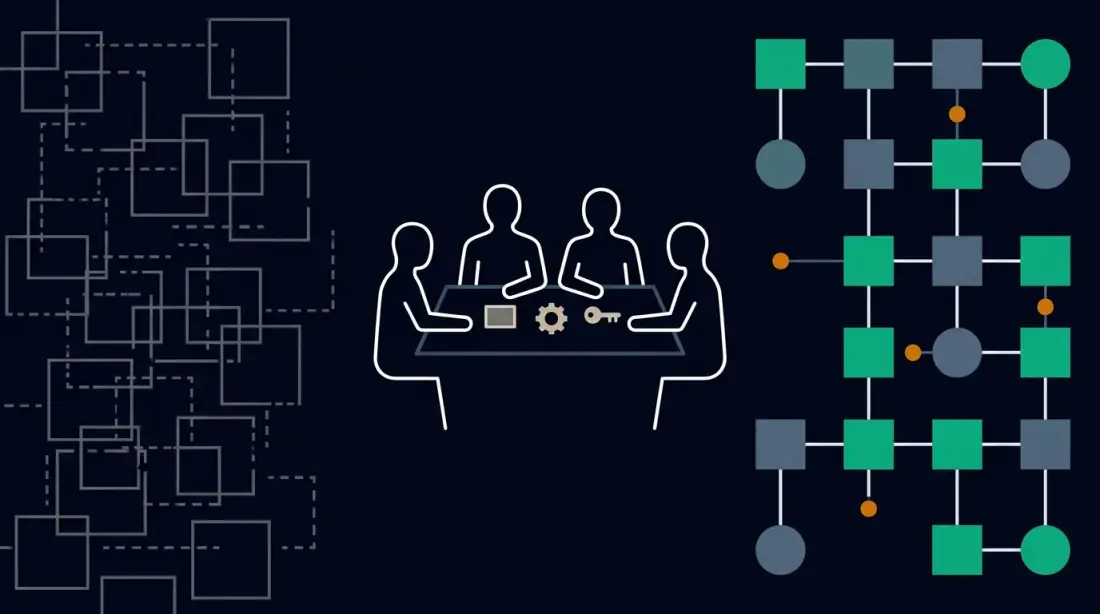
Sovereignty is built through abstraction. We design systems so that the underlying infrastructure is a commodity, not a cage.
Containerization: The Universal Translation Layer
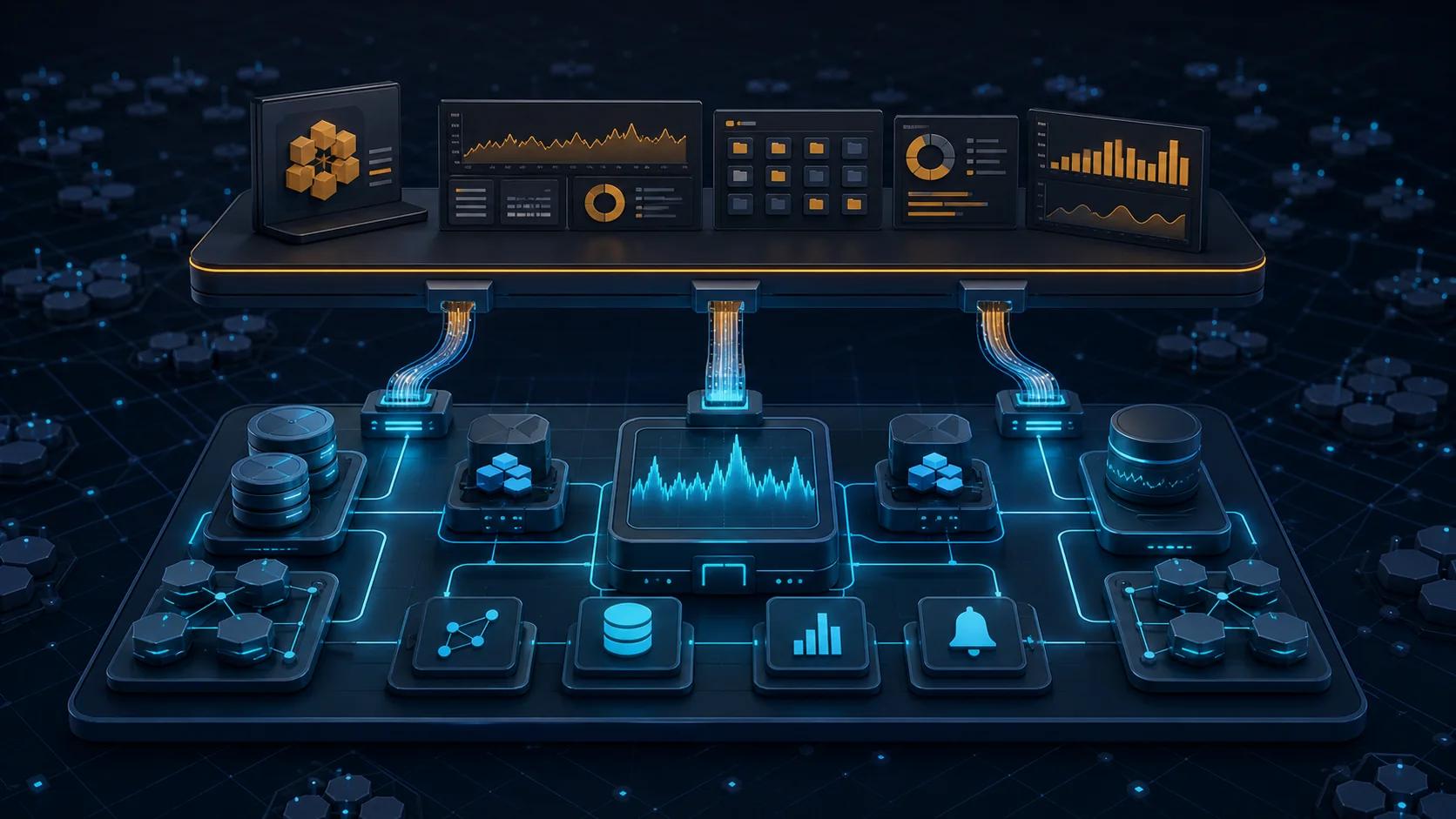
Kubernetes (K8s) is the key to portability. It abstracts the hardware, making your "Digital HQ" portable across Hetzner, AWS, or your own metal. 93% of enterprises now use multi-cloud/hybrid-cloud strategies, with Kubernetes as the primary abstraction layer.
Migrating to a Sovereign n8n/Postgres Hub
Consider the move from locked-in CRM automation (like Zapier or Make) to a self-hosted n8n instance on sovereign infrastructure. Unlike proprietary tools, n8n allows for local data execution, ensuring GDPR compliance and avoiding the Integration Trap. By using providers like STACKIT, IONOS, or Exoscale, you avoid US CLOUD Act exposure.
The Planfold Perspective: Reclaiming Your Digital Destiny
We help you build a "Digital HQ" that you actually own, using our Plan -> Unfold -> Resonate methodology.
- Plan: We audit your lock-in risk and design a portable architecture using open standards. We identify the 20% of data that is critical for sovereign protection.
- Unfold: We deploy your Sovereign Digital HQ on standardized infrastructure using Infrastructure as Code (Terraform) to ensure repeatable, vendor-agnostic deployments.
- Resonate: We achieve "Cloud Agnosticism"—where you choose providers (Hetzner for cost, AWS for specialized AI, GCP for analytics) based on value, not dependency.
Conclusion: Take Back the Exit Key
In the era of NIS2 and the EU Data Act, portability is no longer just a technical choice—it's a regulatory mandate. Sovereignty is the ultimate competitive advantage. It allows you to move where the value is, without being held hostage by your own data.
Stop paying rent for a cage. Start building a foundation that belongs to you.

Plan. Unfold. Resonate.